Jump to Content

When Language Replaces Material Truth

The market is flooded with products labeled eco-friendly, green, or biodegradable. These words promise responsibility without requiring proof. They comfort consumers while obscuring material reality. Compost biology does not respond to marketing language. It responds to chemistry, heat, time, and feedstocks.

Read More

The Reality of Modern Waste

Waste at an Unsustainable Scale

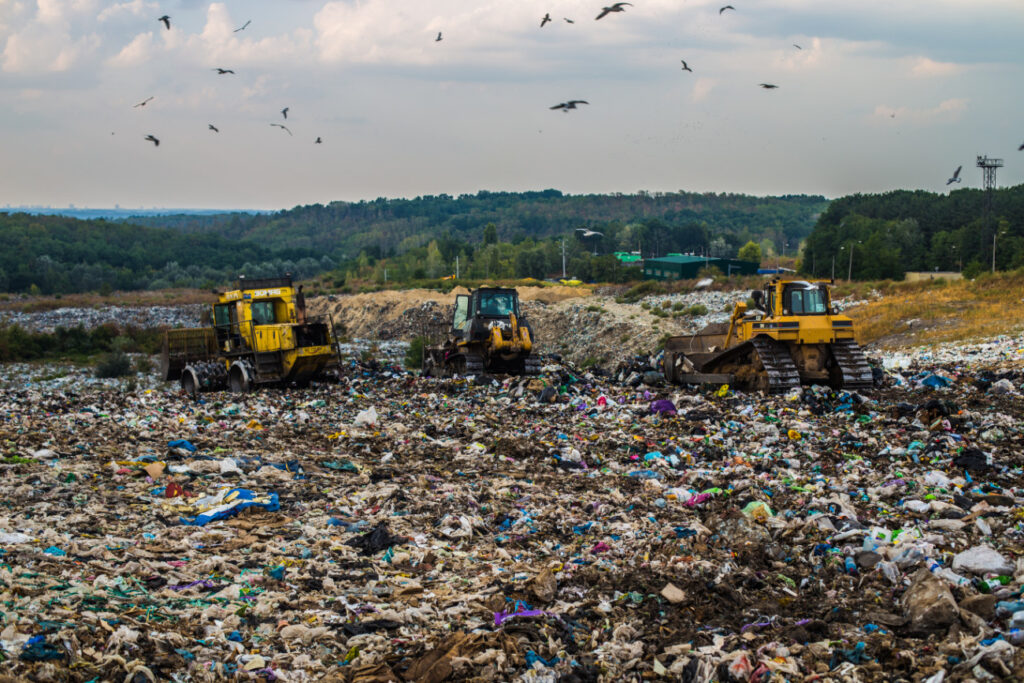
Waste is one aspect of sustainability to which we can all relate. Waste is a direct result of what we consume. According to the EPA, Americans generated over 292 million tons of municipal solid waste in 2018, including 35 million tons of plastic. Items used briefly are designed to persist for centuries.

Recycling’s Collapse

EPA data shows U.S. plastic waste rose to an estimated 40–51 million tons, while recycling rates fell to just 5–6 percent. Up to 43 million tons of plastic were landfilled instead of recovered.

A Conditional Alternative

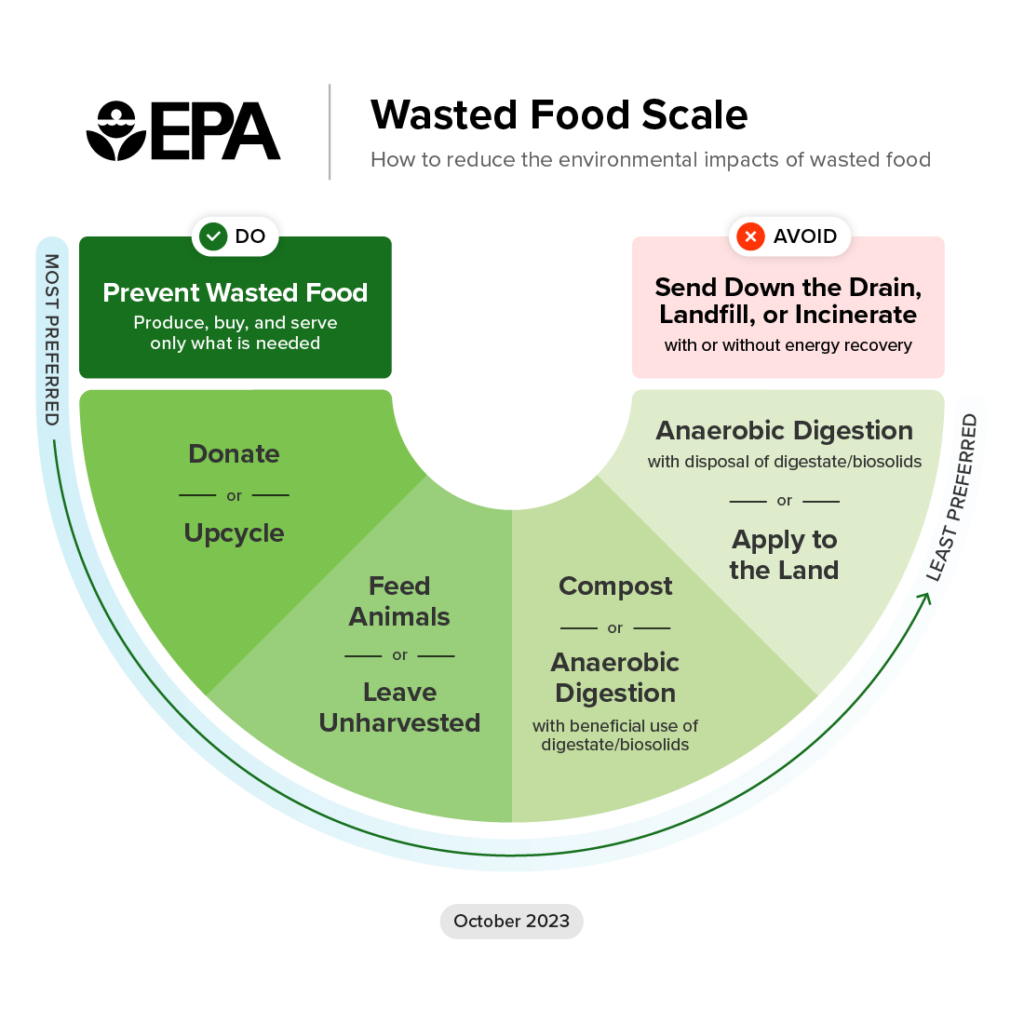
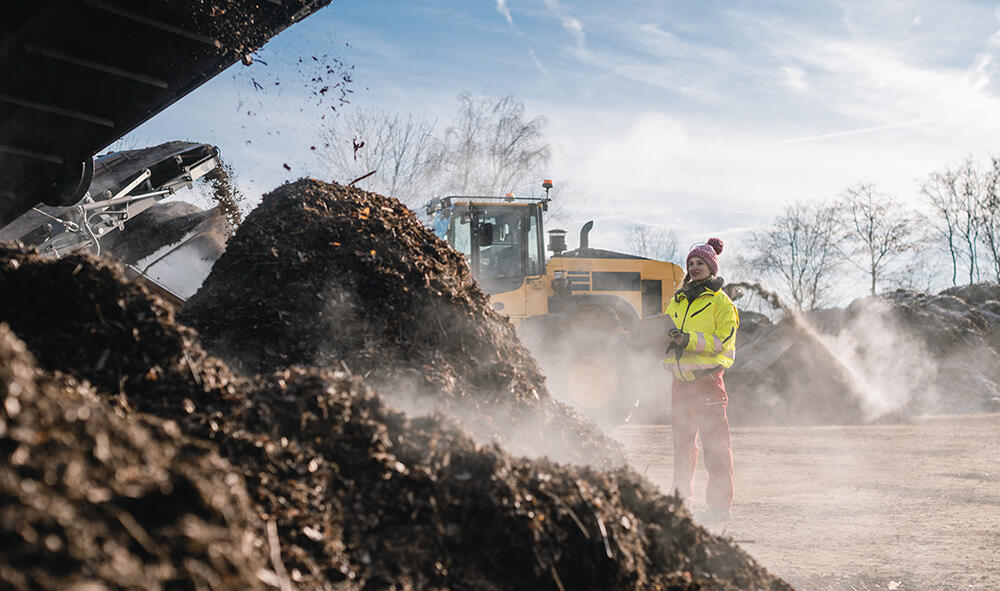
Composting can interrupt this trajectory by returning materials to soil rather than landfills. But it only works when materials are truly compostable. Without that rigor, regeneration is invalidated by greenwashing.


Compostable vs. Biodegradable

Choosing certified compostable packaging reduces confusion, reduces compost contamination, and supports a genuinely healthy soil, circular system rather than one built on linear, vague promises.

Compostable is a technical claim, not a marketing phrase. In a commercial composting facility, a compostable product must disintegrate into unrecognizable fragments within 90 days, convert at least 90 percent of its material into carbon dioxide and water within 180 days, and leave no toxic residue. When it works, it becomes soil—not pollution.

Biodegradable is far less precise. It generally signals that something will break down eventually, with no fixed timeline and no requirement for toxicity. Given enough time, almost anything degrades. The FTC Green Guides attempt to narrow this by requiring products labeled biodegradable to break down at roughly the same rate as known degradable materials in the disposal environment, but enforcement and clarity remain limited.

100% of our products are certified compostable

See the Proof

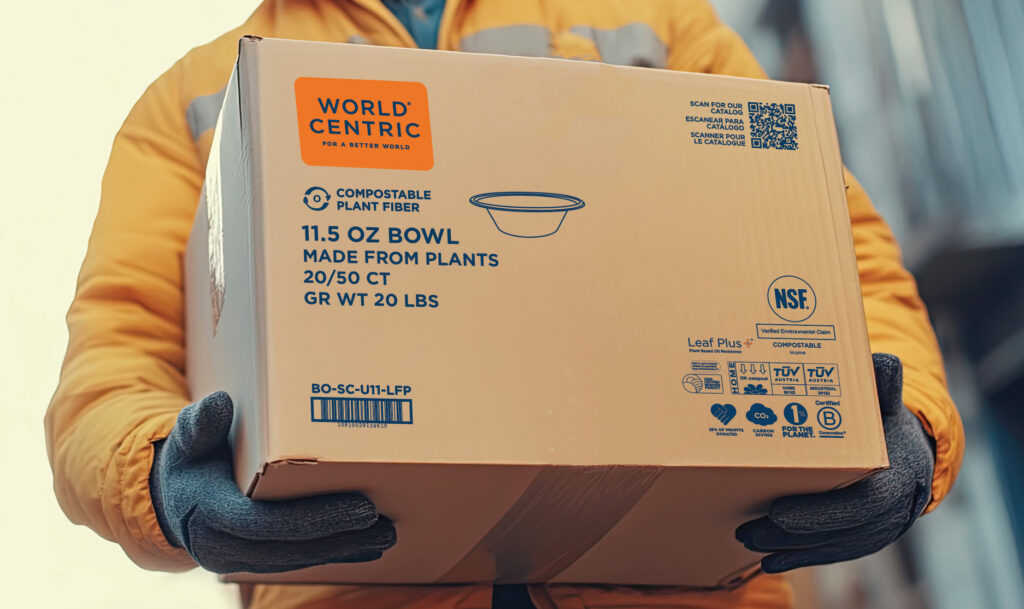
Without verification, composting claims cannot be trusted by facilities or consumers, increasing contamination and risking system failure. Certifications from organizations like NSF confirm products perform under real composting conditions.

Compostables with Purpose

Our packaging is made from plant-based materials including sugarcane bagasse, bamboo fiber, compostable PLA, and FSC-certified paper. In commercial composting environments, these materials break down within three to six months, returning nutrients to the soil. Lifecycle assessments on manufacturing show they require less energy and water and generate fewer emissions than petroleum-based plastics. We track resource use, emissions, and waste through product eco-profiles to maintain accountability and fulfill that purpose.

See Our Impact

Composting Resources

Begin locally. Composting is governed by infrastructure, not intention. Check with your local Solid Waste Authority to understand what programs actually exist where you live and what materials they accept.

Standards & Education

To understand state-level systems, explore chapters of the US Composting Council, which coordinate standards, education, and facility networks across regions.

Learn more

Home Composting

If you want to compost at home, the Institute for Local Self-Reliance offers practical, systems-based guidance grounded in real-world constraints.

Learn more

Commercial Facilities

If you prefer to use an existing facility, WANU Organics maintains a national map of commercial composting infrastructure.

Learn more