Rethinking Compostable Packaging Through Collaboration and Constructive Solutions
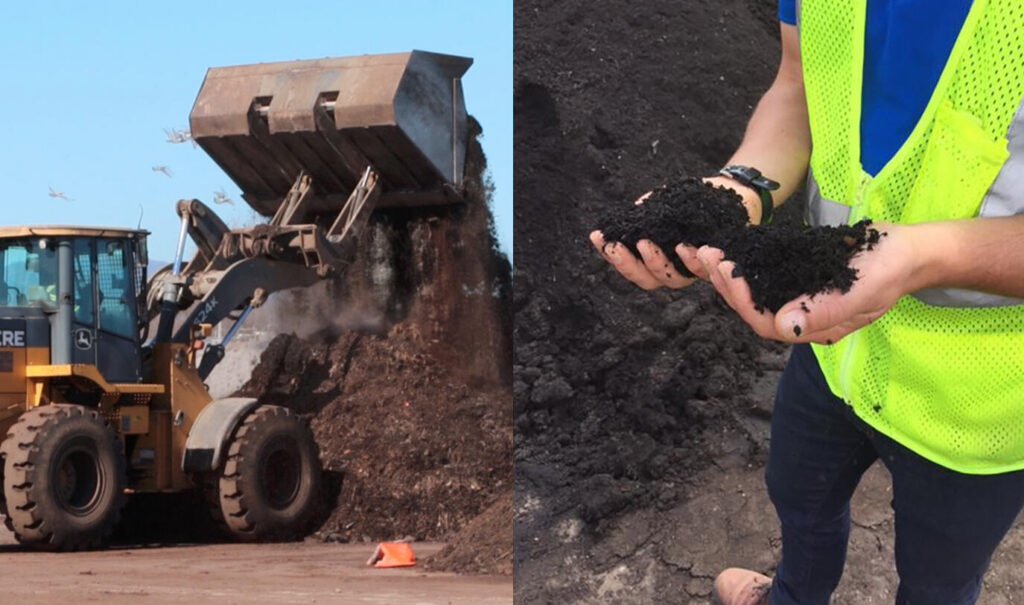

The conversation on compostable packaging often becomes rather polarizing—sparking frustration when composters reject these materials, when new legislation proposes defining “compostable,” or when infrastructure upgrades fall behind demand. Compostable packaging is frequently viewed as either a sustainability solution or an operational burden, with little space in between.
A notable example comes from a statement made several years ago by Oregon composters in response to a Material Attribute study that was published in 2018. The document cites concerns about the potential impact of these materials on composting operations. They state, “Compostable’ packaging and serviceware items have been on the rise for the past decade and they are increasingly ending up in our facilities. These materials compromise our composting programs and limit many of the environmental benefits of successful composting.”
While these challenges are valid, they should serve as a catalyst for progress—not an impasse. Now is the time to move the conversation forward and focus on constructive, collaborative solutions that benefit composters, manufacturers, and the planet.
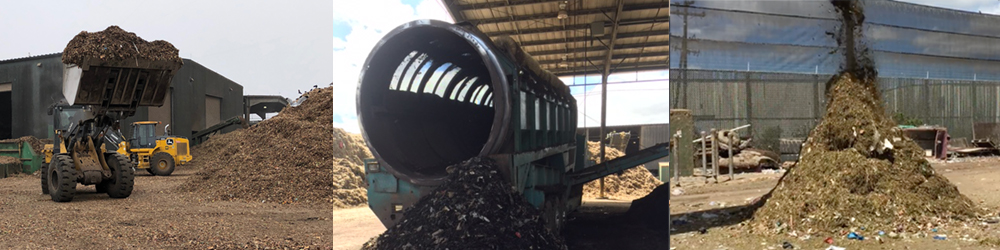
Recently, nine composters did just that! They boldly issued a statement in BioCycle Magazine challenging common criticisms and asking readers to see compostable products as a vital part of waste reduction and environmental sustainability.
The following was written many, many months ago and further supports the perspective of the signatories of the recently published statement. It takes a point by point approach to the original statement from 2017.
Each concern raised by composters highlights areas for improvement but also offers a pathway forward. Rather than draw hard lines, we must recognize the legitimacy of many of these concerns—and use them as a foundation for collaboration.
True, but that’s why innovation and testing are critical. To ensure compostable materials break down effectively, it’s essential to continue advancing field testing alongside lab testing. The Compost Field Testing Program is actively working to develop robust methods that validate performance in real-world conditions. The IC3 Project (Increasing the Circularity of Compostables and Compost) has a workstream focused on establishing one, agreed upon standard to support trust and uniformity for performance of certified compostable products in a variety of compost technologies.
Yes, contamination is an issue across all waste streams; it’s not unique to compostables. According to the 2023 Closed Loop Partners report, most composters experience contamination regardless of whether they accept compostable packaging.
That said, better product design, clearer labeling, smarter procurement policies, and community education are essential. The goal should not be to eliminate compostables but to reduce contamination from all sources – especially from conventional plastic items like gloves, glass, stickers, and packaging that pose persistent threats to compost quality.
This claim oversimplifies the reality. Certified compostable packaging is designed to break down without leaving behind toxic residues. Importantly, it plays a crucial role in increasing food scrap collection leading to more feedstock and ultimately, more compost. Compostable packaging that doesn’t fully degrade can be screened and reprocessed. In contrast, materials like petroleum plastic and glass never break down and are far more damaging to resale quality.
Compost made with food waste has been shown to contain higher nutrient content compared to compost made from yard trimmings alone. Many compost buyers appreciate knowing their product contains nutrient-rich food scraps, adding to its agronomic value.
This is a regulatory barrier, not a quality issue. World Centric has taken an active role to support the National Organics Standard Board in reviewing the potential inclusion of certified compostable products as allowable feedstocks in the National Organics Program (NOP). NOP is a federal regulatory program that develops and enforces consistent national standards for organically produced agricultural products sold in the United States.
National Organics Program rules allow compost made from synthetic food additives and genetically modified organisms to be certified organic yet preclude compost using compostable packaging made from plant-based materials. This contradiction underscores that the rule was designed with farms, not composters, in mind.
For facilities targeting markets like organic farms, separate processing batches can ensure compatibility with organic certification requirements while allowing flexibility to process packaging in other batches. As mentioned in a recent webinar, certified compostable packaging does not degrade the quality of the end product nor deter the sale of compost made with products from being applied to organic farms.
This concern was previously rooted in the presence of fluorinated compounds (PFAS) in compostable products and no longer holds weight, as these chemicals were disqualified from certification in 2020. Product manufacturers dedicated to sustainability have since transitioned to safer alternatives that meet strict health and environmental criteria. Certified compostable plastics avoid petroleum plastic chemical inputs, making them an environmentally responsible choice.
Studies have shown that fiber-based compostables can act as valuable carbon sources and increase the amount of food at composting facilities thus enhancing the composting process.
Contamination, especially from non-compostable materials, drives up operating costs. The Closed Loop Partners report estimates this burden can add $50–$60 per ton. Compost facilities often set their own fee schedules and could charge additional fees to address contamination costs.
However, solutions are emerging. California and other states are directing state funds toward expanding composting infrastructure. Extended Producer Responsibility (EPR) laws have passed in seven states and will help fund improved screening systems, sorting technologies, and public education – reducing contamination and easing the cost burden for composters.
Education and investment, not rejection of compostables, are the best paths toward cleaner, more cost-effective operations.
That depends on the context and the data shows compostables often have environmental advantages.
Life Cycle Assessments (LCAs) demonstrate that certified compostables generally result in lower greenhouse gas emissions and use less fossil fuel during production than conventional petroleum-based plastics.
When used as food scrap collection tools, compostables serve a dual purpose: they replace petroleum-based materials and increase food diversion from landfills. By leaving wasted food in compostable products, sorting is easier for the end user and more food is kept out of landfills leading to a cascade of environmental benefits.
It’s true compostables often cost more but only when viewed in isolation. While the initial cost of compostable products can be higher, the full benefits of compostable products are not fully reflected in the price. their environmental benefits outweigh this premium when fully calculated and properly managed. EPR programs and internalized costs could change that narrative and drive more sustainable decision-making.
In some cases, yes. But this argument misses a critical point: food waste cannot be recycled – it must be composted.
Compostable packaging helps collect food scraps that would otherwise contaminate recycling streams or end up in landfills. This dual role – packaging and collection tool -makes compostables an essential part of integrated waste management strategies. Supporting compostables helps both recycling and composting succeed by directing materials to the proper system and extracting the greatest value from these materials.
This critique is valid – when compostable materials are labeled as compostable but never actually reach a composting facility.
The problem isn’t the compostables themselves but the lack of transparency and infrastructure. When properly collected and processed, certified compostables close the loop by transforming into valuable compost. Even in cases where they do not reach a composting facility, compostables are still less extractive than petroleum-based materials and pose fewer risks when discarded.
Good intentions require follow-through. Petroleum is a finite, environmentally destructive resource, whose full costs are hidden: oil spills, pipelines, extraction damage, and displacement of communities are some of those costs, not to mention health concerns for those that live near the processing facilities.
Compostables are made from renewable plants, which sequester carbon as they grow. These materials improve landfill diversion and reduce methane emissions. The resulting compost builds healthier soils and locks carbon back into the earth which is an essential climate change mitigation strategy.
Manufacturers of compostable products and composters share the same goal – to foster a sustainable future through compost that enriches soils, combats climate change, and bolsters global food systems.
At World Centric, we’ve worked tirelessly to turn this vision into reality by supporting compost access and infrastructure expansion through strategic donations, active involvement in the composting industry, and certifying compostable products that are held to rigorous standards.
This isn’t merely about expanding the acceptance of compostable products. It’s about maintaining forward momentum in the fight against climate change, creating infrastructure that serves future generations, and proving that progress can thrive even in the face of regressive policies.
The compostables conversation has moved from skepticism to collaboration, with good reason. Considering recent federal policies under the Trump Administration that have deprioritized environmental actions, the role of composting becomes even more critical. Supporting and expanding composting infrastructure is a direct way to counter these setbacks.
While policy decisions may fail to address the urgency of climate change, composters and manufacturers are actively driving solutions by working together to elevate the environmental and economic benefits of composting. An example is the IC3 Project that is building the future of compostables with composters, product manufacturers and decision-makers, not in opposition to them.
Together, we can overcome obstacles. Whether it’s tackling operational challenges, reducing contamination, or emphasizing education, we are committed to solutions that address pressing environmental concerns while furthering the promise of compostables as part of a circular economy. We can build a more sustainable future where the value of compostables is fully realized. Let’s build it – together!