Packaging that
Confronts
Reality
Materials and Consequences
We design products with environmental consequences at the forefront. Our materials reduce deforestation, pollution, and emissions from the start. Every material decision either accelerates or slightly slows the extraction machine in which we all participate. We push suppliers toward cleaner energy and stronger environmental standards. Progress is slow within complex, globalized supply chains, yet we persist.
View Our LCA Data
Compostable Packaging for Business
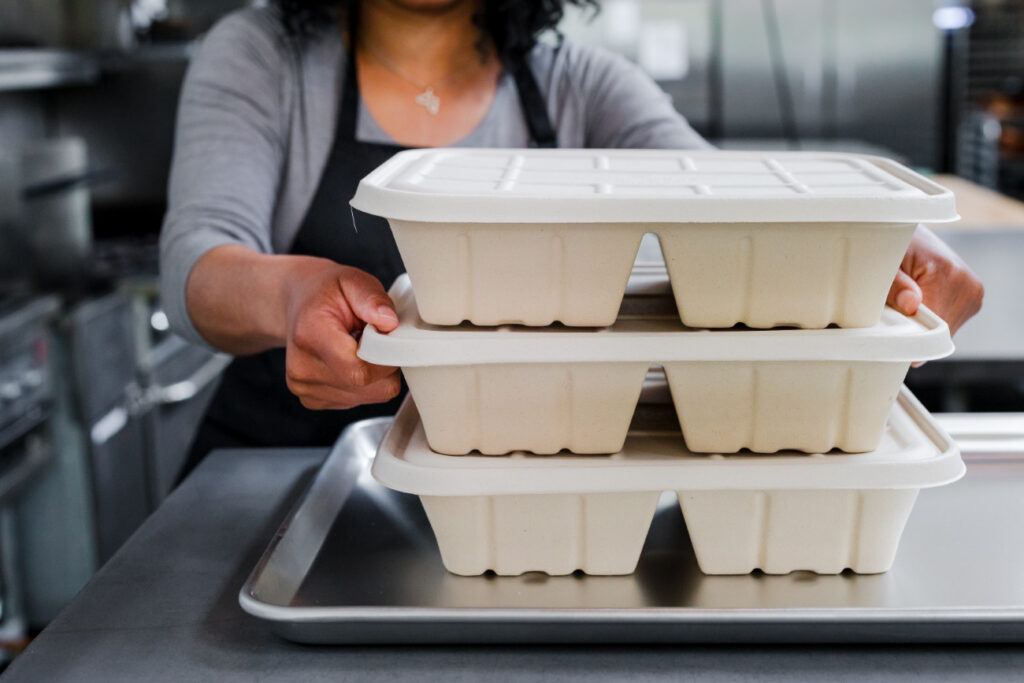
If your business recognizes our planetary crisis, your packaging should reflect that responsibility. We transform agricultural waste into functional, plant-based packaging that cuts pollution, deforestation, and fossil-fuel dependence. Stock, custom, and private-label options available.
Explore Custom Products
Standards Without Solutions
Our packaging meets rigorous standards, backed by scientists and engineers. We don’t claim this solves disposable culture. We’re making symptoms less toxic while knowing that underlying systems persist. Against this backdrop, choosing compostable over conventional plastic matters. However small, these choices represent conscious decisions about the materials we use.
Learn About Our Certifications