Jump to Content

Research & Development

At World Centric, our R&D division develops sustainable packaging solutions that meet real-world performance requirements while reducing environmental impact. Our work with biobased and compostable formulations across agricultural waste, naturally occurring polysaccharides, proteins, lipids, and other plant-based materials. Our team’s research materials are often dismissed as unsuitable for packaging performance expectations due to limited strength or poor resistance to water and grease. Through targeted chemistry, physical treatments, and process engineering, we overcome these inherent limitations.

Our Product Materials

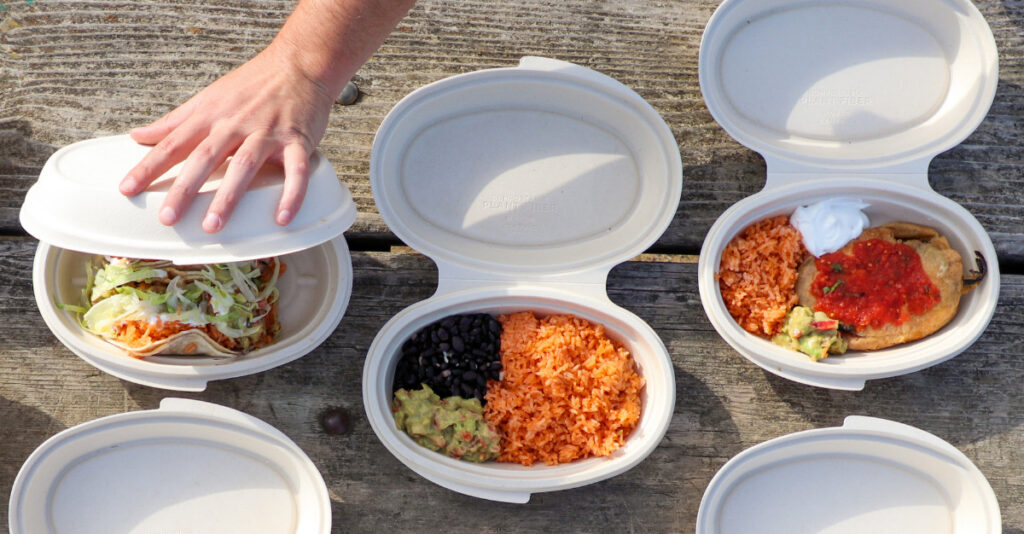
Conventional plastics persist for 500+ years.

Our materials biodegrade within 180 days.

The fact is: plant-based materials will never perform identically to highly engineered petroleum plastics developed and refined over more than a century with massive capital investment. We are still in the innovation phase of biopolymers. The fossil fuel industry had a century-long head start and orders of magnitude more funding to perfect their materials science. Petroleum-based packaging fragments into microplastics that contaminate ecosystems and enter food chains. Our materials return to biological cycles rather than fragmenting into persistent pollutants. This trade-off defines our work.

Transforming Agricultural Waste Through Minimal Intervention

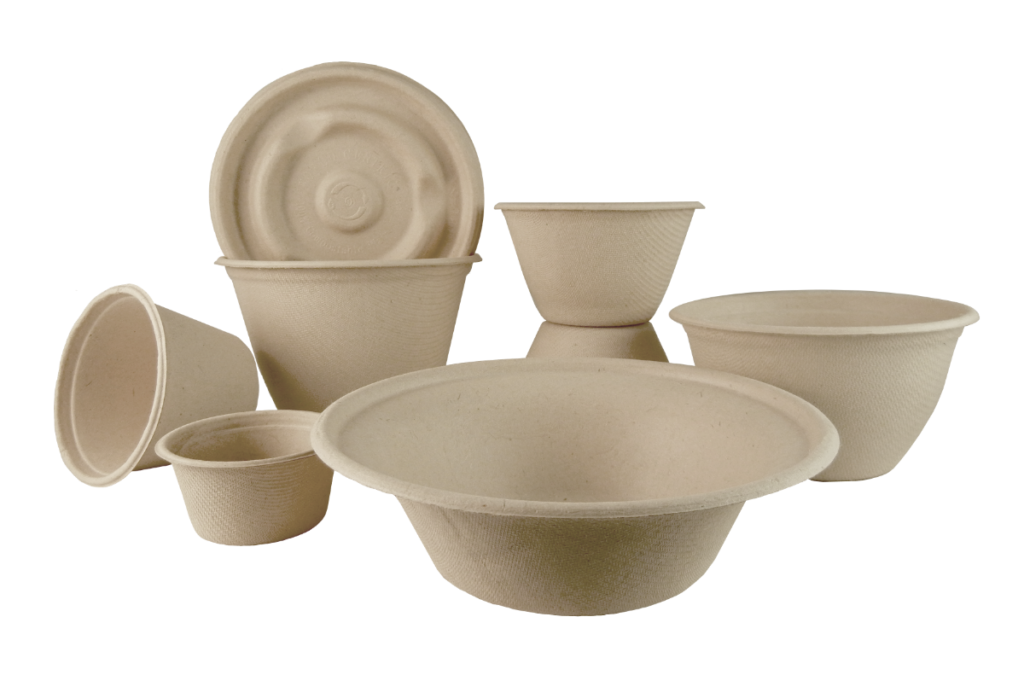
We develop packaging, coatings, and adhesives from agricultural waste byproducts: sugarcane bagasse, wheat straw, rice hulls, and food processing residues. Heavy chemical treatments defeat the purpose of using agricultural waste. We maintain material integrity through mechanical processing, controlled fermentation, and targeted enzymatic treatments. The challenge is not finding waste materials. The challenge is engineering them into products that perform.

Minimal Processing Philosophy

  • Mechanical processing: Physical manipulation over chemical refinement
  • Controlled fermentation: Biological modification of fiber properties
  • Targeted enzymatic treatments: Specific property improvements through natural catalysts
  • Iterative testing: Identifying minimum intervention thresholds for adequate performance

Food Safety Standards

Food safety remains non-negotiable. All materials meet or exceed FDA standards for food contact applications. We conduct migration testing, toxicity screening, and sensory evaluation to ensure no off-flavors or contaminants transfer to food products. Select formulations use food-grade ingredients exclusively, rendering them technically edible. This is not a marketing claim. This is a design constraint that eliminates entire categories of additives and processing aids, forcing us to work within tighter parameters that prioritize the health of humans and the environment.

Development
Priorities
in Performance and Progress

Real-World Composting Performance

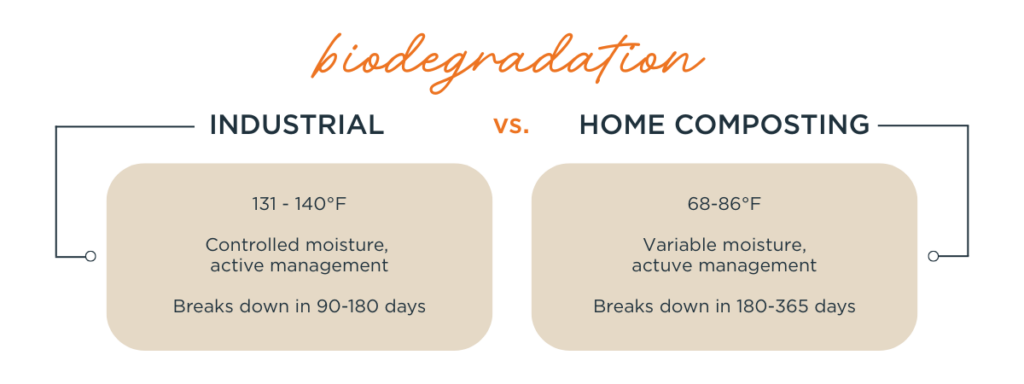
Rapid biodegradation profiles define our material specifications. We engineer materials that break down in both industrial and home composting environments. This dual requirement eliminates conventional binding agents that resist microbial breakdown. We test in real composting conditions, not just laboratory simulations. We design for end-of-life performance and functional performance simultaneously. Both shape every material decision.

Learn More About Compostability

Agricultural Fiber Substitution

Current fiber molding relies on virgin wood pulp or recycled paper with predictable binding characteristics. We’re developing techniques for agricultural residues like bagasse and wheat straw. These materials present fundamental challenges: inconsistent fiber length, variable lignin content, unpredictable moisture behavior. We’re engineering new molding chemistries to make agricultural waste structurally viable.

Learn About Our Materials

Incremental Innovation

This work is incremental and economically constrained. Progress is measured in formulation adjustments and performance thresholds met, not revolutionary breakthroughs. Yet it continues because small advances compound. What we develop today becomes the baseline for next year’s improvements.

View Our Patents