Testing
Beyond
Intentions
The Home Composting Paradox
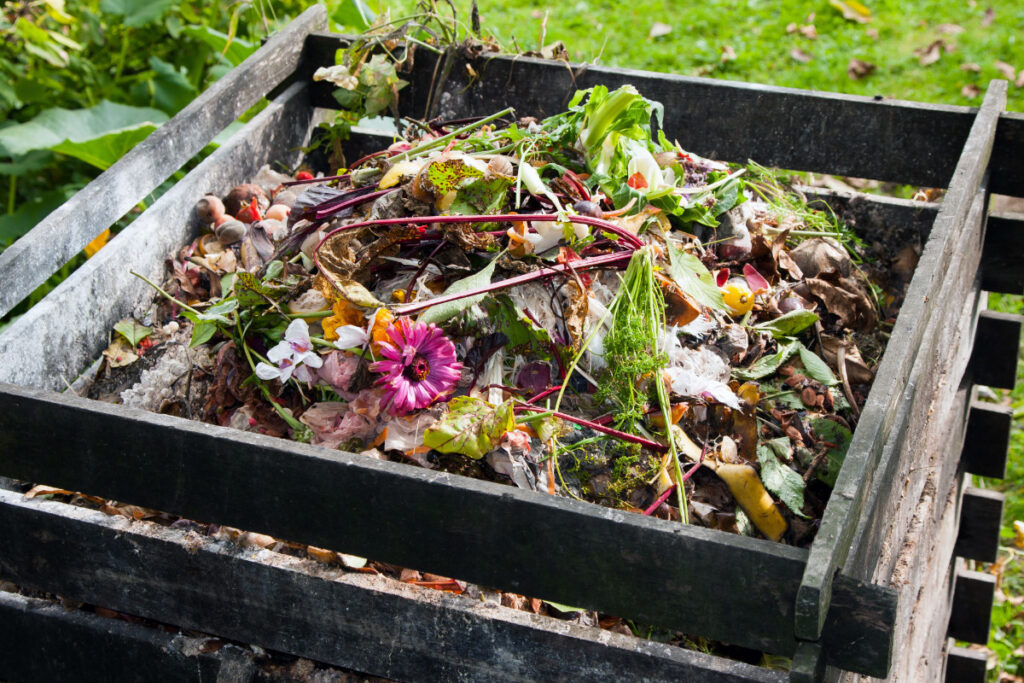
Home composting operates at ambient temperatures with variable moisture and limited mixing. Products certified only for industrial composting can break down slowly in backyard bins. We test under home composting conditions because millions of people do not have access to commercial infrastructure. Our work focuses on designing for the real systems in use today, not idealized conditions.
Contamination Screening
Bio-based materials are not automatically safe. All inputs can carry trace elements from industrial production systems. We test for known contaminants while recognizing that some compounds may not yet be fully studied. We follow established standards for PFAS, heavy metals, and ecotoxicity to help ensure contaminants do not enter finished compost.
Performance Limits Testing
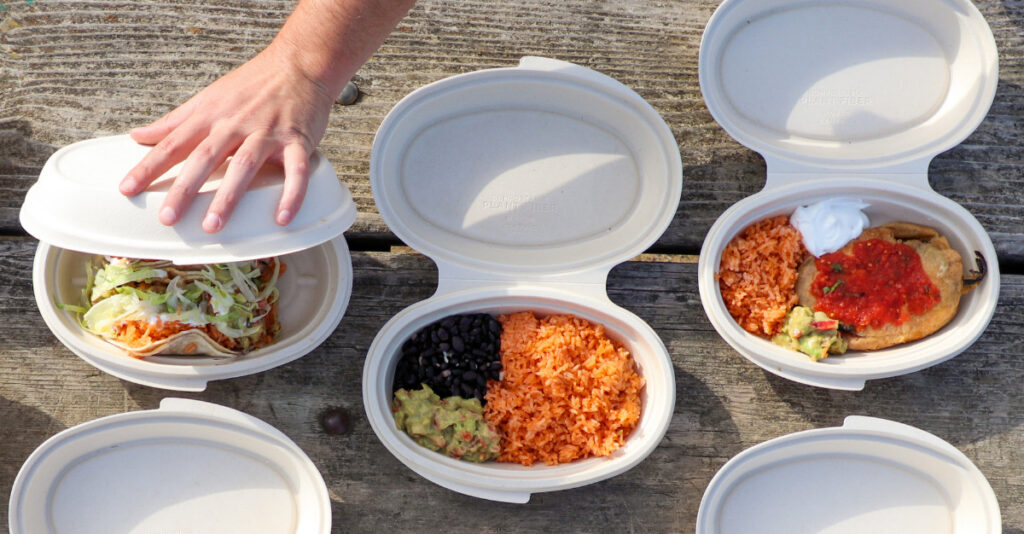
We test products beyond typical use cases, including double-capacity loads, temperature extremes, and extended exposure to acidic liquids. Some products fail during testing, which helps us identify performance boundaries under real conditions such as dropped plates, overheated containers, or extended storage. These results provide valuable insight for improvement rather than issues to avoid.