The Reality of Manufacturing in a
Broken System
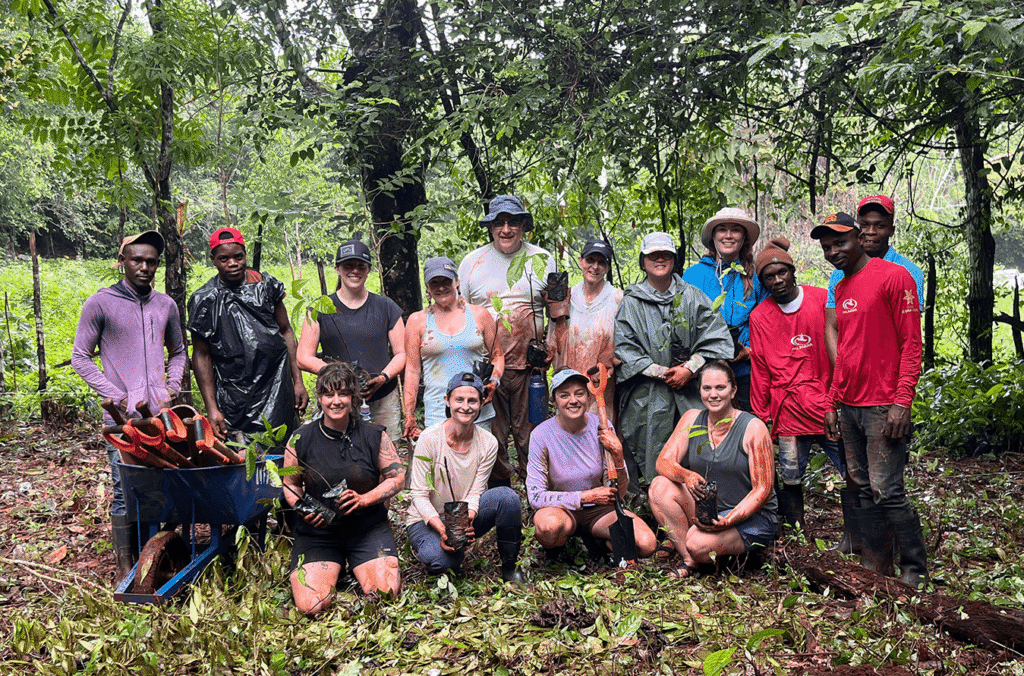
We operate within extraction-based systems. We also invest directly in offsetting the damage those systems create. Not as moral absolution – there isn’t any – but as concrete action toward repair. Since our founding, we’ve donated over $23 million to grassroots organizations working on food security, environmental protection, and social justice. We fund reforestation projects. We support communities on the frontlines of climate impact. We invest in regenerative agriculture initiatives that attempt to heal ecosystems rather than merely extract from them.
These investments and operational standards don’t make our supply chain ethical in the absolute sense. They represent our acknowledgment that sourcing and manufacturing globally creates harm.That acknowledgment must translate into both verification systems and financial commitment toward repair work. The specifics matter: which facilities get audited, where funding goes, what gets measured and what remains unmeasurable.
Our impact reporting attempts transparency about both our progress and our limitations. Read our impact report to see the full accounting of our environmental footprint, our giving, our supply chain impacts, and the work still undone.