Jump to Content

Life Cycle Assessments

We use Life Cycle Assessments (LCA) to gain a deeper understanding of the environmental impacts at each stage of a product’s life. This approach allows us to evaluate and make informed decisions about sustainability throughout the entire lifecycle. By choosing plant-based materials over petroleum-based plastics, we significantly reduce emissions, offering a more eco-friendly alternative to traditional plastics.

Comparing Raw Materials

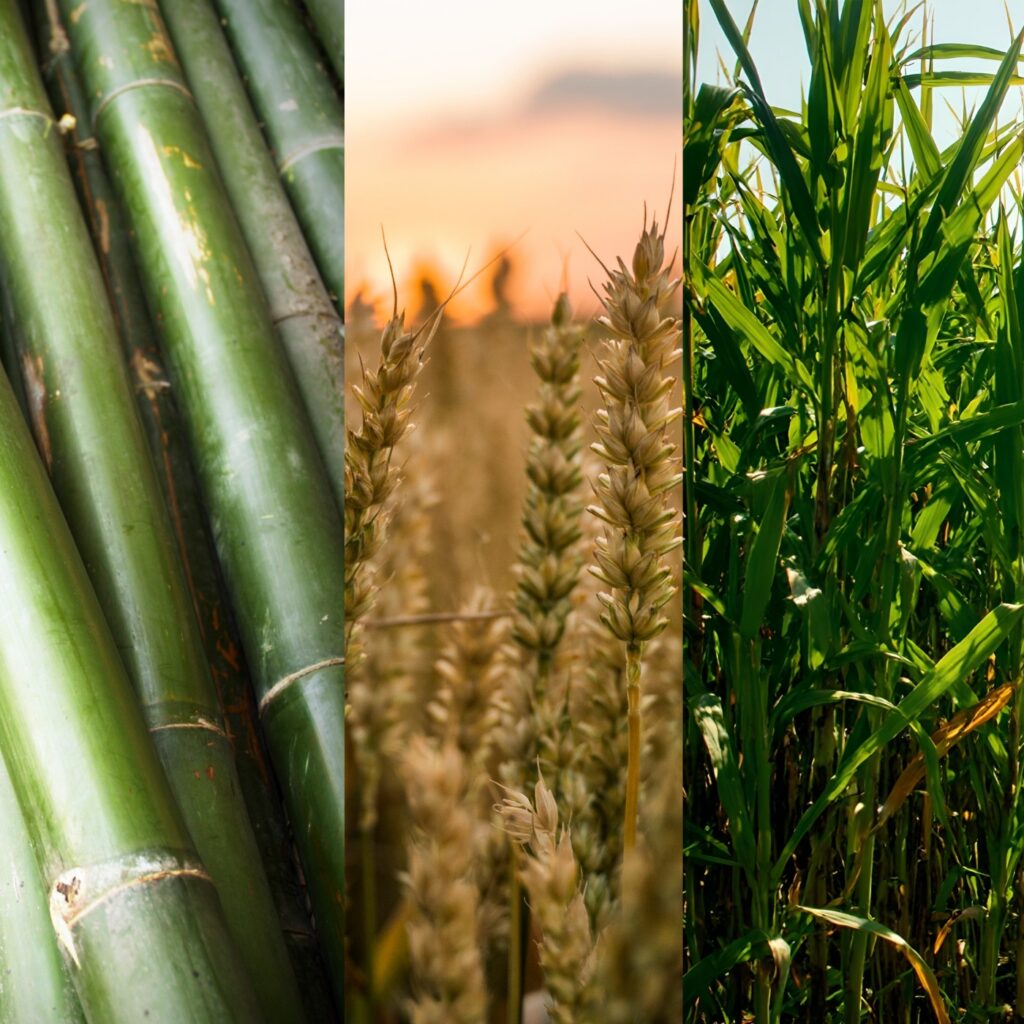
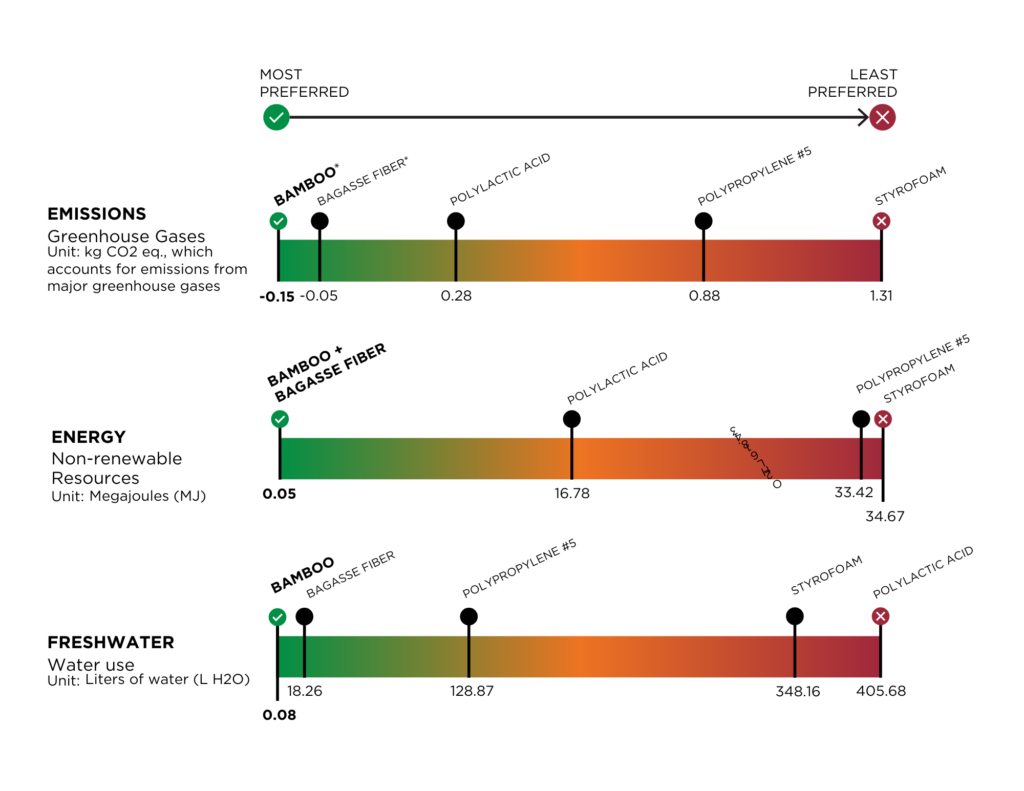
Raw materials are the starting point of any product’s footprint, and by using only renewable, plant-based inputs like bamboo and sugarcane instead of fossil fuels, we achieve our greatest environmental benefit compared to traditional plastics. Because these plants absorb and store carbon dioxide as they grow, their raw material production can even show negative emissions. While this stage is important, it is just one part of a product’s life cycle, alongside manufacturing, transportation, use, and end-of-life disposal—all of which contribute to overall environmental impact. (Image is in the Impact Report)

Figure: Comparison of emissions, energy, and freshwater use for packaging materials using LCA data from the production of one pound of raw materials. The most preferred materials appear on the left.

Notes: For bagasse production, environmental impact categories are calculated by allocating a portion of sugarcane production inputs to bagasse based on its yield percentage. The TRACI impact assessment methodology was used for calculating LCA results

Good, Better, Best

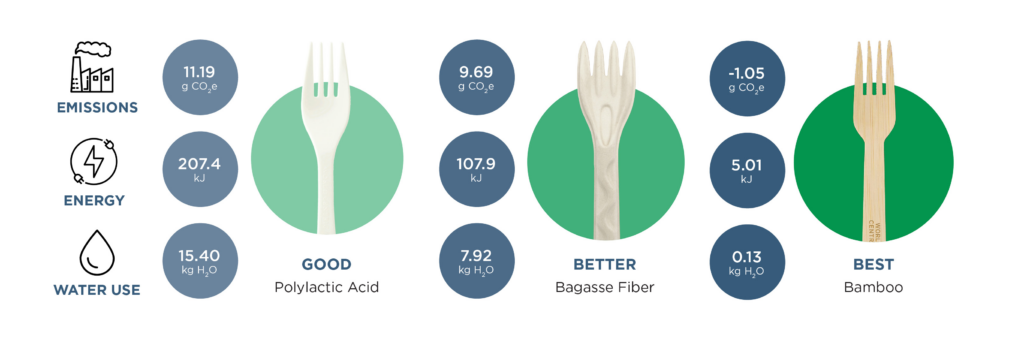
We transform these raw materials into numerous foodservice and retail items with different designs and performance metrics to best suit our customers’ needs. Our good-better-best fork comparison highlights our range of plant-based options while providing the customer with sustainability data to make an informed product choice based on their priorities. In the example below comparing LCA figures for a single fork, the bamboo fork is the best choice since it is a carbon negative product that also uses less water and energy to produce.

Our Materials